Okanagan Wine Tours: How to Tour the Valley Without Drawing Straws Over Who Drives
The valley is 250 kilometres long and the good cellar doors are scattered across it in tidy pockets. Here is how to tour it, region by region, without the day turning into a driving problem.
Short answer
An Okanagan wine tour is a driven day, shared or private, that strings four or five cellar doors into one route while a guide handles the map, the bookings and the wheel. Days run from about four hours to a full nine, cost roughly C$115 to C$249 and up, and the region you pick decides the tour.
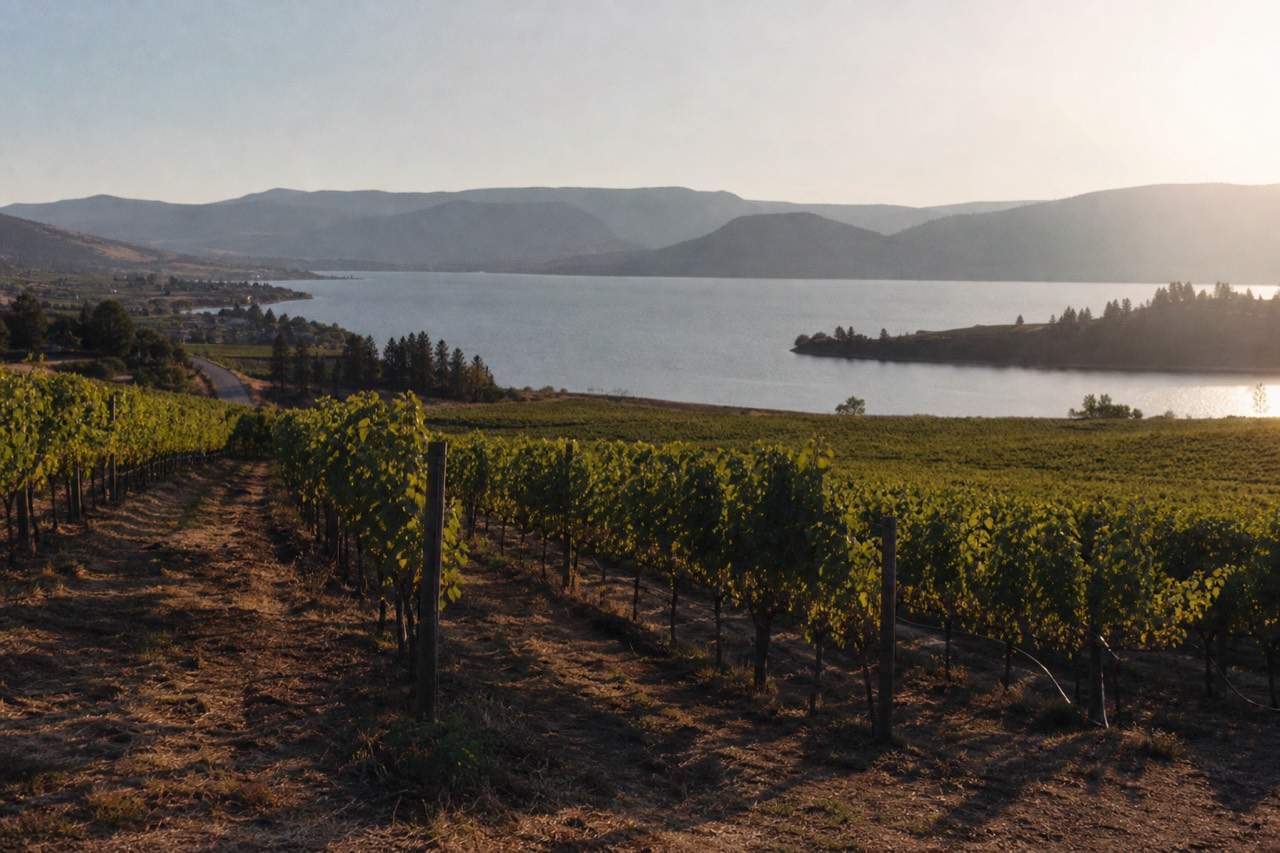
The Okanagan Valley runs roughly 250 kilometres north to south, from the orchards above Vernon down to the desert at the U.S. border, and the wineries string along the lakes the whole way. That length is the first thing a first-timer underestimates. The headline estates sit ten minutes from downtown Kelowna, the Westside cellar doors cluster just across the bridge, and the small-lot wineries that win the medals sit an hour or more south on the Naramata Bench. Nothing worth tasting is walkable from anything else. Get the geography right and a tour plans itself around a single region; get it wrong and you spend the afternoon watching benches slide past the car window. With two days to spend in Kelowna, one afternoon can stay on the Westside while the next reaches further down the lake.
How do Okanagan wine tours actually work?
An Okanagan wine tour is a guided day, shared or private, that links four or five cellar doors into one route while someone else drives, books the tastings and keeps the timing. Most run six to nine hours for a full day or about four for a half, with hotel pickup, and the point is simple: nobody in the group has to count their sips.
The mechanics are the same whether you ride a small-group van or hire a private guide. A vehicle collects the group from a Kelowna hotel, home or B&B, then works a loop of wineries with tasting appointments already held. A guide reads the room, decides when a stop has run its course, and moves the day along so the flights do not blur into one another. Lunch is sometimes folded in and sometimes a separate stop. On a shared day you share the van with up to a dozen strangers, which keeps the per-person price down; on a private day the vehicle is yours, the route bends to your list, and the price shifts to a per-group number that gets sharper the more people you split it across.
Group size is the quiet variable that changes the feel of the day. Shared vans usually cap at around a dozen, small enough that the tastings stay unhurried and the guide can still tailor stops to the group's mood. A couple on a shared day meets other travellers and pays the least; a group of four to six on a private booking gets the vehicle to themselves and often lands close to the same per-head figure, because the price is set per group rather than per person. Timing runs to the wineries' hours: most shared days start mid-morning and wrap by late afternoon or early evening, with the longer full days stretching to nine hours when lunch and a fifth stop are in the mix.
What you are really buying is the logistics, not the wine. The wine is on sale at every cellar door either way. What a tour removes is the map-reading, the reservation juggling at estates that now turn away walk-ins in peak season, and the driving math that a valley of dispersed wineries forces on anyone who wants to actually taste. That last part is the whole reason these days exist.
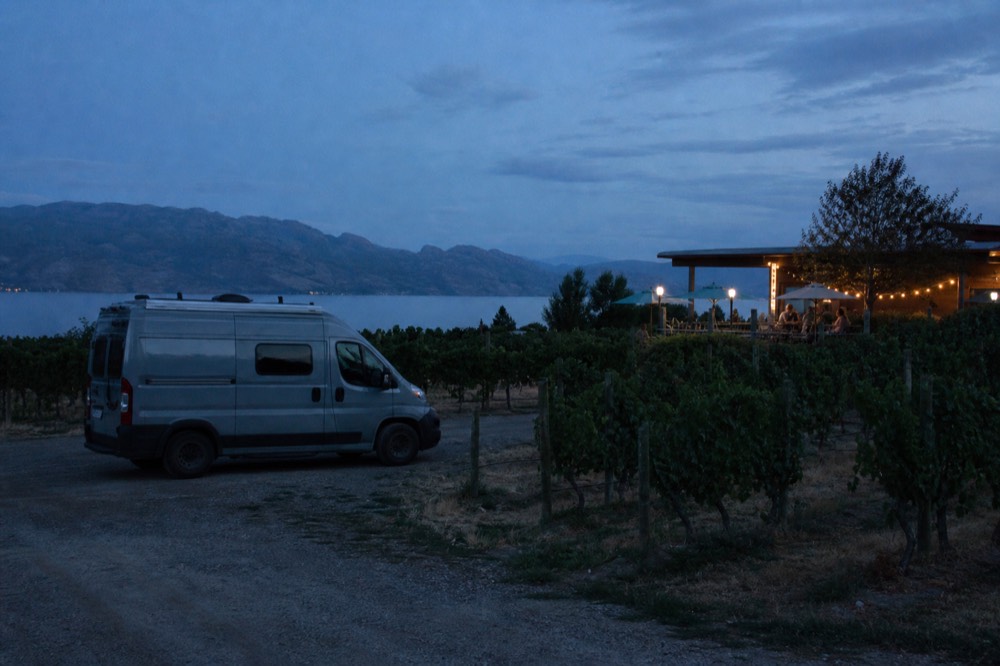
Because the valley is long and the clusters are separate, the honest first decision is not which winery, it is which region. Pick the pocket, then match a tour to it, and the rest of the planning falls into place.
Which Okanagan wine regions does a tour cover, and how far apart are they?
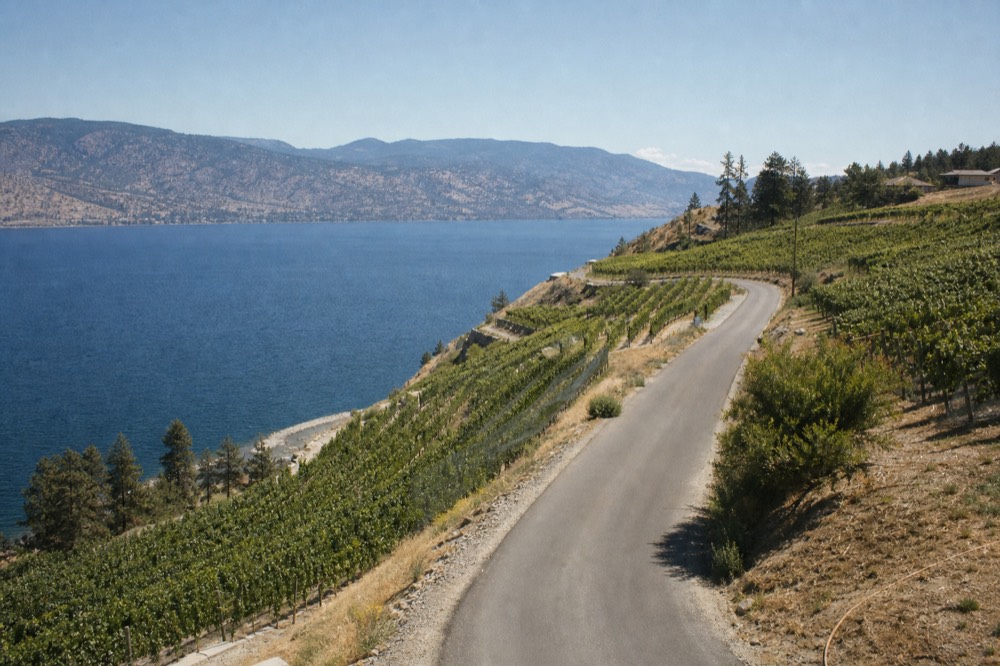
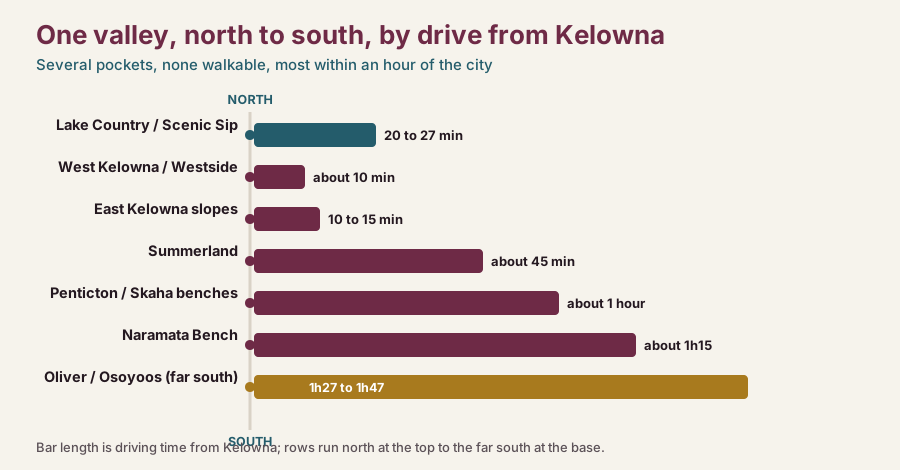
The main pockets are the Westside around West Kelowna (about ten minutes from downtown), the East Kelowna slopes and lakeshore (ten to fifteen minutes), Lake Country's Scenic Sip (twenty to twenty-seven minutes north), the Naramata Bench (about an hour and a quarter south), and the far south around Oliver and Osoyoos (an hour and a half plus). Each is tidy inside itself and scattered against the others.
That dispersion is why a single tour almost always sticks to one region rather than sampling the whole valley in a day. Trying to hit the Westside and the Naramata Bench and the far south in one go leaves you with three hours in a vehicle and time for maybe two real tastings. The wineries that carry the Okanagan's reputation are grouped into official sub-appellations, and the region holds close to 186 licensed grape wineries across roughly 9,617 acres, about 87 percent of British Columbia's vineyard land, though how many wineries the Okanagan holds matters less than how tightly they cluster. Most of them are within an hour of Kelowna, which is why the city works so well as a base.
| Region | Drive from Kelowna | Signature | Roughly how many cellar doors |
|---|---|---|---|
| West Kelowna / Westside | About 10 minutes across the bridge | Big estates, architecture, lake views | A dozen-plus along the trail |
| East Kelowna slopes & lakeshore | About 10 to 15 minutes | Old-vine Riesling, single-vineyard Pinot | A handful, minutes apart |
| Lake Country / Scenic Sip | About 20 to 27 minutes north | Lake-view terroir, Riesling | Seven core on the trail |
| Naramata Bench | About 1h15 south | Boutique Pinot Noir, small lots | 40-plus boutique names |
| Penticton / Skaha & Naramata benches | About 1 hour south | Benches at the town's edge | Benches either side of town |
| Summerland | About 45 minutes south | Sparkling, cool-climate whites | Benches above the lake |
| Oliver / Osoyoos (far south) | About 1h27 to 1h47 | Desert reds, the golden-mile names | The valley's warmest sites |
The drive times are the reason the private own-vehicle option exists. A private guide riding along in your own car can point the day at whichever region you want, with pickup available from Kelowna, Vernon, Summerland or Penticton, which makes it the honest answer for anyone who wants to stitch two pockets together or reach a bench the shared vans do not run to, such as the Summerland benches up the west shore. If you are still deciding where to point the day, a map of every winery area lays the clusters out side by side.
Shared, private, or half-day: which Okanagan wine tour format fits?
A shared full day (about six to nine hours, four to five wineries, often lunch) is the sociable, best-value way to see a region. A half-day (about four hours, four wineries) suits a lighter afternoon. A private tour costs more per group but bends entirely to your pace, and an e-bike or sunset format trades coverage for a particular kind of day.
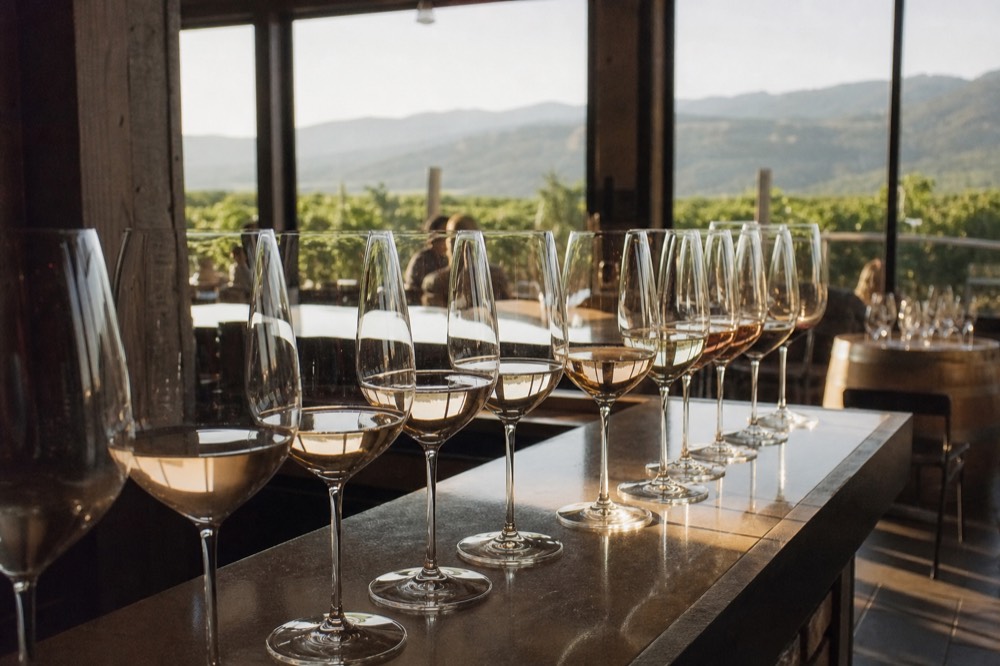
Format is really a choice about pace and company. On a shared van you meet other travellers, the guide sets the rhythm, and the price per head stays reasonable because the vehicle is full. It is the format most first visits should default to. A private day flips that: the vehicle and the guide are yours, the itinerary is negotiable on the fly, and the pricing moves to a per-group figure, which is why four to six people often pay less each on a private booking than they would on a busy shared day. Couples who want a specific route, families, and groups travelling with anyone who is not drinking all lean private for good reason, and a private day across regions is the flexible end of the spectrum.
| Format | Length | Typical CAD | Wineries | Best for |
|---|---|---|---|---|
| Shared full day | 6 to 9 hours | Around C$180 to C$239+ pp | 4 to 5 | First visits, best value, sociable |
| Shared half-day | About 4 hours | Around C$115 to C$139 pp | 4 | A lighter afternoon, fees included |
| Private / custom | Full day | Around C$169 to C$249+ pp, or per group | Your call | Couples, groups, a bespoke route |
| E-bike or experiential | About 4 to 5 hours | Price on the listing | Closer doors | An active, social day in the vines |
| Sunset / evening | About 4 hours | From around C$159 pp | 3 | One memorable evening plus dinner |
The half-day is the format people forget to consider. A four-hour Westside loop fits four wineries and every tasting fee into a morning or an afternoon, leaves the rest of the day for the lake, and carries a strong review count precisely because a shorter day is harder to get wrong. When a full day feels like more wine than you want, that is the one to book. You can book the West Kelowna half-day and check the current half-day price on the listing, where the live availability is kept up to date.
The most-reviewed shorter option in the valley is a relaxed afternoon sightseeing run of four wineries with door-to-door pickup, which tells you how consistently a well-run half-day lands when someone else handles the logistics. It is the middle path between a tasting-bar drop-in and a full nine-hour marathon.
Two experiential formats sit outside the usual choice and suit a particular kind of day. An e-bike run pedals between closer cellar doors with the electric assist flattening the climbs, tastings and lunch built in, which turns the day into something active and social rather than a van ride. A sunset run trades coverage for atmosphere: three west-facing wineries at golden hour, dinner at a winery restaurant over the lake, and an evening timed for the light rather than a checklist. Neither tries to cover the whole valley, and both are better for it, so treat them as the answer when the day is about the experience as much as the wine.
What does an Okanagan wine tour include, and what does it cost?
Budget roughly C$115 to C$139 per person for a shared half-day and C$180 to C$239 and up for a shared full day, with private tours priced per group. Tastings, transport and a guide are standard; lunch is sometimes included, sometimes extra. On top of the tour, individual tasting fees run about C$10 to C$25 per person, often waived with a bottle.
Two costs stack, and the second one surprises people. The tour price covers the vehicle, the guide and usually the tasting fees at each scheduled stop; a half-day like the four-winery Westside loop bakes every fee in, which is part of why it reads as good value. Where fees show up separately is on walk-in tastings and premium flights: expect about C$10 at value spots, C$25 at Tantalus with five dollars back per person on a purchase, and C$18 to C$39 at Sandhill depending on how far into the barrel room you go. Wine-club members and anyone buying a bottle often pay nothing. If you want the full arithmetic before you commit, what a wine day actually costs works through it stop by stop.
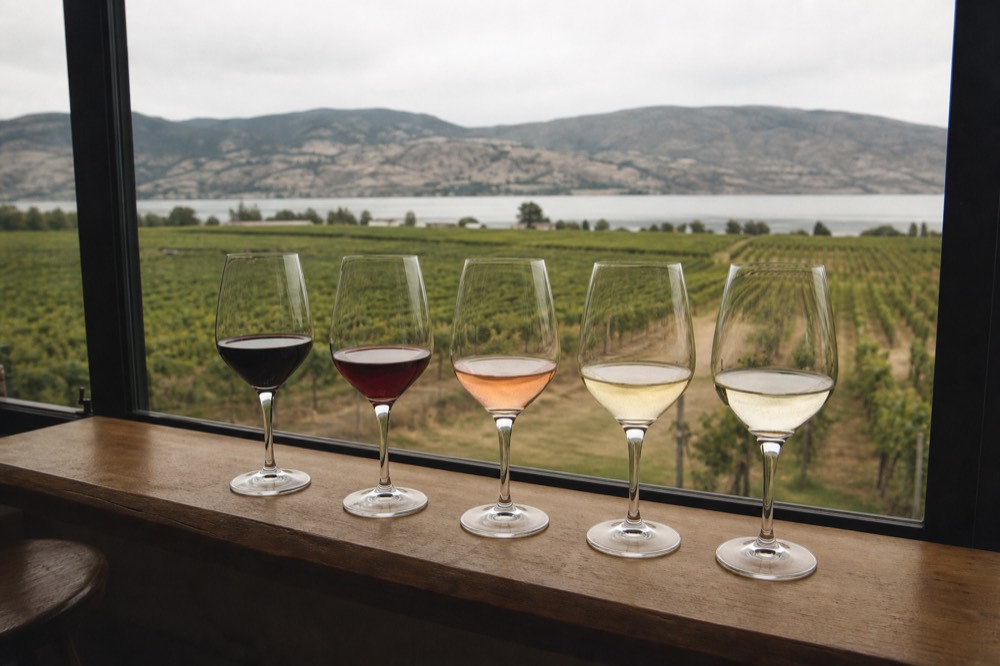
| Day format | Typical CAD | Length | What it usually covers |
|---|---|---|---|
| Half-day, shared | Around C$115 to C$139 pp | About 4 hours | 4 wineries, tasting fees included, pickup |
| Full day, shared | Around C$180 to C$239+ pp | 6 to 9 hours | 4 to 5 wineries, often lunch, pickup |
| Private / custom | Around C$169 to C$249+ pp, or per group | Full day | Your route, per-group pricing possible |
| E-bike / experiential | Price on the listing | About 4 to 5 hours | Tastings and lunch, an active day |
The tasting fees themselves are worth seeing side by side, because they are the part no tour quote includes for walk-ins.
| Winery | Standard tasting fee (CAD) | Note |
|---|---|---|
| Value spots, West Kelowna | Around $10 pp | Often waived with a bottle |
| Tantalus, East Kelowna | $25 pp | Includes $5 off per person on purchases |
| Summerhill Pyramid | $15 to $25 pp | Varies by flight |
| Sandhill | $18 to $39 pp | Signature tasting up to the barrel room |
For the classic first day in the valley, you can book a driven day like the Mission Hill & Quails' Gate full day and check availability on the operator's listing, where the current Canadian price and open dates are kept live rather than printed here to go stale.
When is the best time for an Okanagan wine tour?
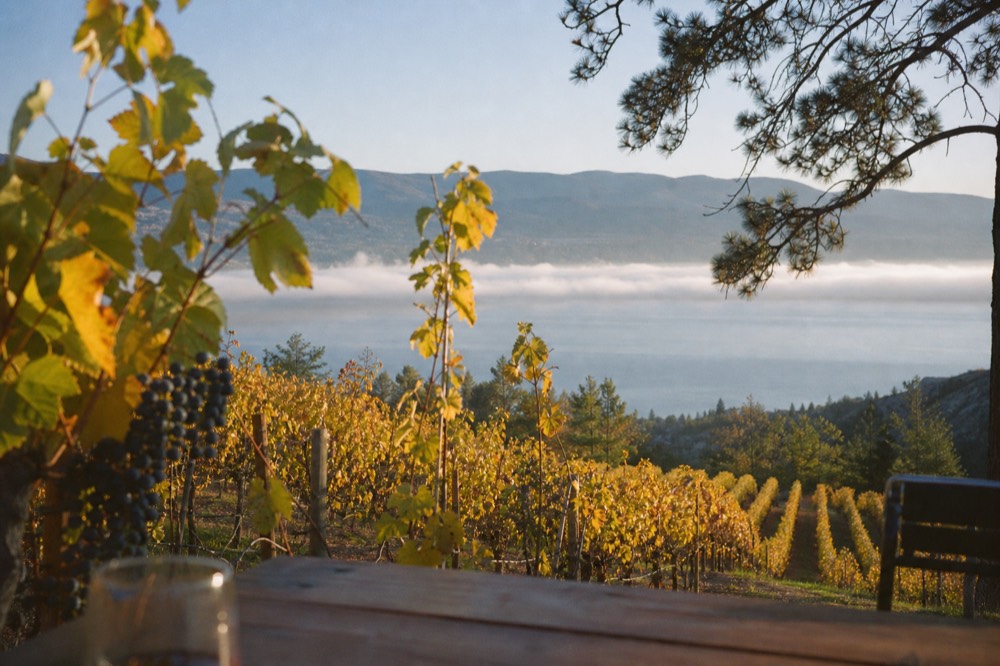
September and October are the sweet spot: harvest colour, active crush, gentler crowds and daytime temperatures around 20 to 28 degrees. July and August are hottest and busiest, so book ahead. May and June are shoulder-season value with the vines already green, and the winter months run quiet with reduced hours and seasonal closures.
The valley has a clear tasting calendar, and it rewards timing the visit to it. Harvest and crush peak in September and October, when the wineries are working and the light turns, and that stretch is the one most regulars would pick if they could choose freely. Two festivals bracket the season: the organizer lists the Spring Okanagan Wine Festival for May 1 to 10 in 2026 and the Fall festival for September 25 to October 4, with named events such as the Varietal Showdown on September 29 and a Sunset Drive outdoor tasting on October 3. Treat the fall dates as the organizer's listing rather than an independently fixed fact, and book tours and tables around them, because rooms fill fast in those windows.
| Window | What is happening | Crowds | Notes |
|---|---|---|---|
| September to October | Harvest, crush, fall colour | Busy but easier than midsummer | The regulars' pick, around 20 to 28C |
| July to August | Peak season, full patios | Busiest and hottest | Book tours and tables well ahead |
| May to June | Green vines, shoulder value | Lighter | Good availability, spring festival in early May |
| November to March | Quiet, some closures | Sparse | Reduced hours, check ahead, occasional ice wine |
The fixed dates on the calendar are the two festivals and the harvest windows, which are the anchors worth booking around.
| Fixed point in the season | When (2026) | Note |
|---|---|---|
| Spring Okanagan Wine Festival | May 1 to 10 | Per the organizer's calendar |
| Fall Okanagan Wine Festival | September 25 to October 4 | Per the organizer; Varietal Showdown Sept 29, Sunset Drive Oct 3 |
| Main harvest and crush | Late August into October | Peaks September to October across most varieties |
| Ice-wine harvest window | December to February | Needs sustained cold near minus eight |
Ice wine deserves an honest footnote: it needs sustained cold of around minus eight, and the 2025 harvest brought in only 36 tonnes of ice-wine grapes, with the following winter often not cold enough for the world-class version. If a specific month is driving your trip, the best month to visit breaks the calendar down further.
Should you self-drive or book a guided Okanagan wine day?
Book the guided day unless you have a committed non-drinking driver. A tasting flight is several pours, a full day is four or five of them, and British Columbia's roadside limit sits at 0.05. A guided tour removes the whole calculation because nobody in the group has to be the one counting sips. If a willing designated driver is in the group, self-driving is a genuine option.
This is the honest conversion point, framed straight rather than as a scare. BC's roadside rule puts a warn range from 0.05 to 0.08 that triggers an Immediate Roadside Prohibition: a three-day driving ban on a first offence, climbing to seven then thirty days on repeats, plus a possible vehicle impound and several hundred dollars in penalties, towing and reinstatement fees. Cross into 0.08 and it becomes a criminal matter with a ninety-day prohibition and a thirty-day impound. Novice drivers on an L or N licence face zero tolerance and an immediate twelve-hour suspension for any detectable alcohol. None of that is meant to frighten. It is simply the arithmetic a valley of dispersed, non-walkable wineries forces, and it is why a driven day is the default here.
Laid side by side, the two ways to run the day trade convenience against control, and the honest read is that most groups come out ahead on the guided side.
| Factor | Self-drive | Guided day |
|---|---|---|
| Who drives | A committed non-drinking driver in your group | A professional; everyone tastes |
| Reservations | You book each winery yourself | Held for you, including peak-season slots |
| Route | Fully your own | Shared route, or fully yours on a private day |
| Cost shape | Fuel plus every walk-in tasting fee | One price, fees usually included |
| Risk under BC law | On you at every stop | Removed entirely |
If your group does have a designated driver and you would rather set your own route, a private guide in your own car, such as the private own-vehicle Okanagan day, keeps you in control of the itinerary while a professional handles the wineries and the bookings, and you can check current dates and availability on the listing. For anyone hoping to skip the whole vehicle question, it is worth knowing up front whether a hop-on-hop-off wine bus exists before you plan around one.
Common questions
How many wineries can you visit on an Okanagan wine tour in one day?
Four to five on a full day, and about four on a half-day. More than five and the tastings blur, the drive time between pockets eats the afternoon, and the day stops being enjoyable. Guided tours settle on four or five for exactly that reason.
Do Okanagan wine tours include lunch?
Some do and some do not. Many full-day tours build in lunch or a lunch stop, while half-days and afternoon runs often skip it. Check the inclusions on the listing before you book, because the current details and any meal are set there.
Can an Okanagan wine tour cover more than one region in a day?
Realistically no, not well. The pockets are far enough apart that trying to combine, say, the Westside and the Naramata Bench leaves you mostly in the vehicle. A private own-vehicle day is the best way to stitch two nearby areas together at a sensible pace, or to reach the far south, where [the desert wineries around Osoyoos](/guides/osoyoos-wine-tours/) sit nearly two hours from Kelowna.
When should you book an Okanagan wine tour?
As early as you can for July, August and the September to October harvest window, when popular tours and estate tastings fill on weekends. Shoulder months in May, June and late autumn are easier to book close to the date, though winter hours are reduced.
Is a guided tour worth it over renting a car?
For most visitors, yes, because someone else drives, books the tastings and reads the map while you actually taste. Renting only makes sense with a committed non-drinking driver, since BC's roadside limit turns a day of flights into a real problem otherwise.
Do Okanagan wine tours run in winter?
Some do, but the valley slows down from November through March. Many wineries cut their hours or close for the season, so a winter day is quieter, cheaper and worth confirming stop by stop before you book. Check that each cellar door on the route is actually open.
That short scatter of pockets across a 250-kilometre valley is the whole reason days like this exist, and it is why Kelowna Wine Tours lines up the cellar doors region by region so a group can taste the Okanagan without anyone drawing the short straw at the wheel. Pick your pocket, match it to a format, and the valley stops feeling far apart.