What is the 75-85-95 rule for wine?
The 75-85-95 rule is a US wine-label standard: 75% for a grape variety, 85% for a region, 95% for a vintage. What it means for BC bottles.
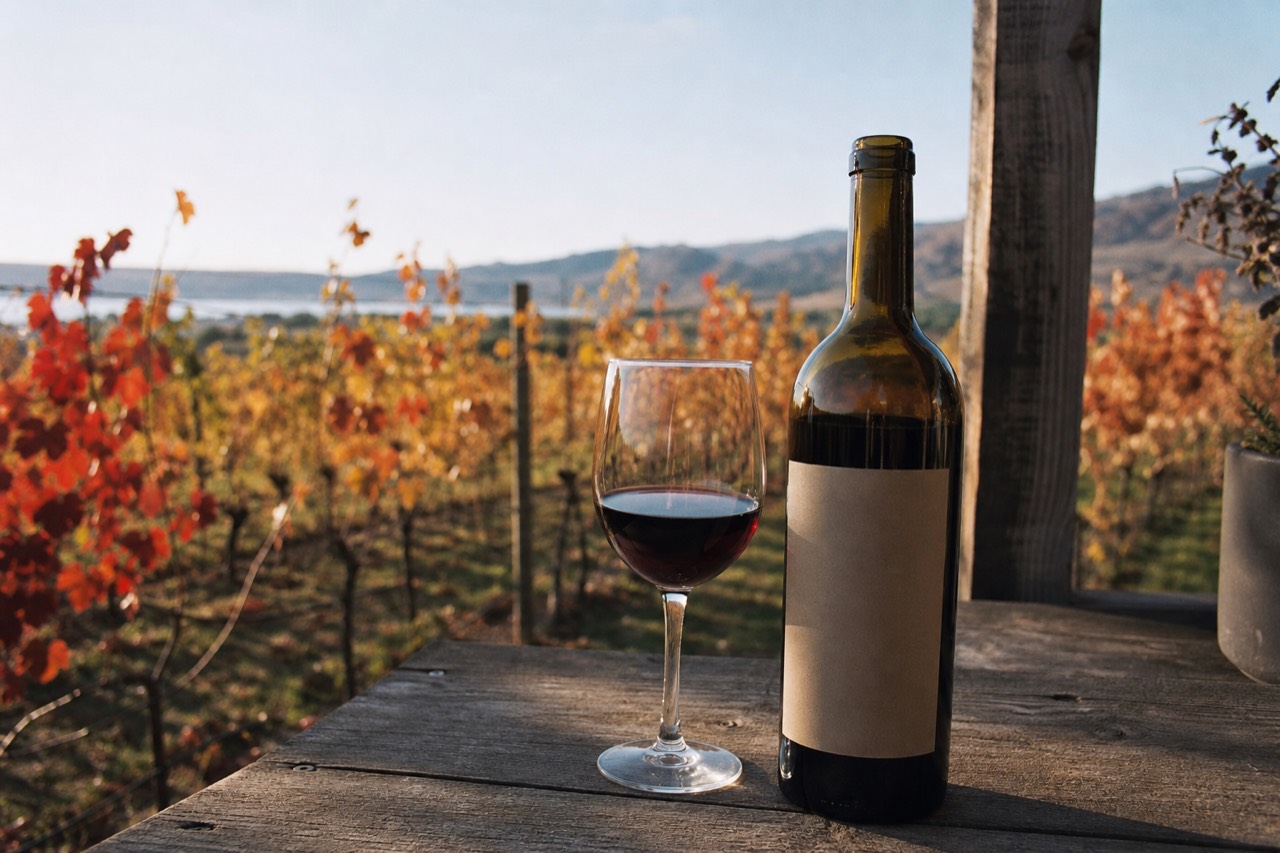
Three numbers you will never see printed on a bottle decide much of what the front label is allowed to say. They are the reason a wine can call itself a Pinot Noir, claim a place, or wear a vintage year. Once you know them, a label stops being marketing and starts being information you can actually read.
What is the 75-85-95 rule for wine?
The 75-85-95 rule is a United States wine-labeling standard from the federal Alcohol and Tobacco Tax and Trade Bureau. To name a grape variety, at least 75 percent of the wine must be that grape. To name a region or appellation, at least 85 percent of the grapes must come from it. To name a vintage year, at least 95 percent must be from that harvest.
It is a real, established rule taught in wine education and label-reading guides, not a serving-temperature trick or a scoring band, despite the tidy numbers. Think of it as the floor for honesty on a front label: the minimum percentage behind each claim. A bottle labeled Chardonnay is at least three-quarters Chardonnay, and a bottle claiming a specific place drew most of its fruit from there. Wine writers at outlets like the Mercury News have laid it out the same way, and it turns up constantly in guides to reading American labels.
| Threshold | What it governs | What must be true |
|---|---|---|
| 75% | A named grape variety | At least 75% of the wine is that grape, so a "Merlot" is mostly Merlot |
| 85% | A named region or appellation | At least 85% of the grapes come from that named area; state or county appellations need 75% |
| 95% | A named vintage year | At least 95% of the grapes are from that harvest year when an appellation is named |
Where does the 75-85-95 rule come from?
It comes from US federal regulation. The Alcohol and Tobacco Tax and Trade Bureau writes the labeling rules in the Code of Federal Regulations, with separate sections for variety, appellation and vintage. The 75-85-95 shorthand simply bundles those three minimums into one memorable line, which is why it shows up so often in American wine education.
The rule earns its place because it protects the reader. Without a variety minimum, a splash of Cabernet could carry a bottle's whole name; without an appellation minimum, a famous place could be borrowed by fruit grown anywhere. Wineries and educators repeat it because it is the quickest way to explain what a US label is promising. As one winery's own guide puts it, the three thresholds govern what gets printed on the front. To see how the wines behind those labels actually taste, a first day around the headline estates is the usual entry point.
Does the 75-85-95 rule apply to BC and Okanagan wines?
Not directly. The 75-85-95 rule is American, so it governs US labels, not Canadian ones. British Columbia and Canadian wines follow their own separate standards, and BC's geographic sub-appellations carry their own bar: a sub-region like the Golden Mile Bench requires at least 95 percent of the grapes to come from that named area. The idea is the same, but the numbers are set here, not in Washington.
For an Okanagan bottle, the honest takeaway is to read the label with the same instinct, not the same rulebook. BC's sub-GIs are strict about local origin, so the Golden Mile Bench sub-region leans on that 95 percent local-grape floor. One current wrinkle is worth knowing. After the January 2024 deep freeze wiped out most of the crop, a temporary BC program let wineries use imported Washington and Oregon fruit for the 2024 and 2025 vintages, with a return toward full BC fruit from 2026. So a 2024 or 2025 bottle may not be all Okanagan-grown even when it looks local, which is exactly the kind of thing worth asking at the tasting bar. A four-hour run like the Westside half-day gives you the time and the pourer to ask.
How do you put the rule to use on a tasting day?
Use it as a reading habit, not a rule to recite. When a label names a grape, a place and a year, you now know roughly how much of each it took. At the cellar door, that turns into better questions: how much is estate fruit, is any out-of-region, what makes the vintage. A guided day gives you the room to ask them without watching the road.
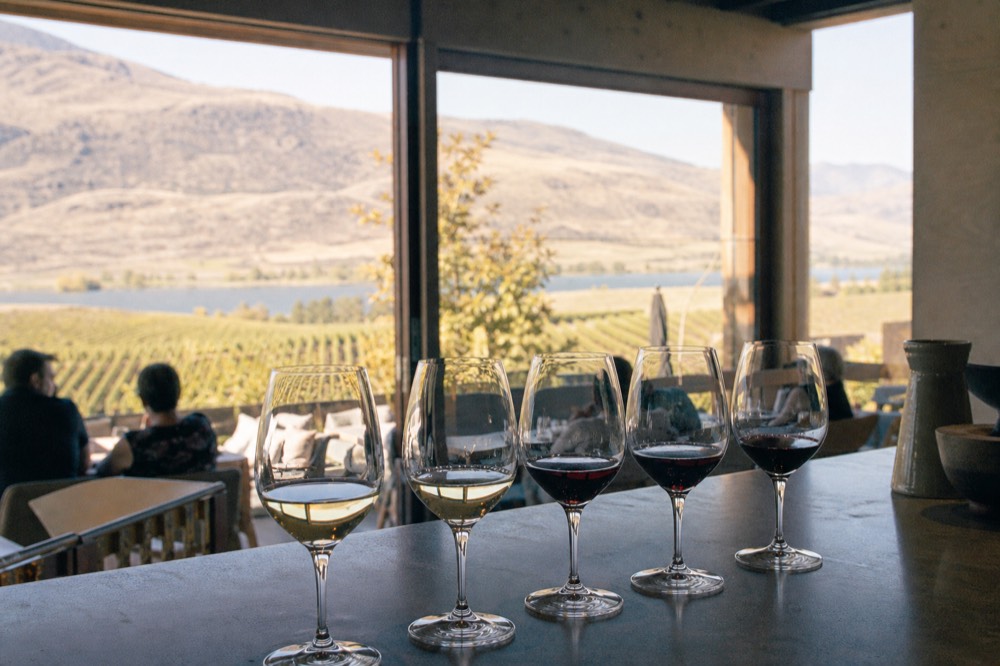
The rule is most useful the moment you are standing at the bar with a glass. You can ask a pourer where the fruit came from and whether the vintage is all one year, and you will understand the answer. That kind of curiosity is easier on a day someone else is running, because a tasting flight is several pours and BC's roadside limit sits at 0.05 with immediate prohibitions in the warn range. To spend the day reading labels and asking questions rather than driving, book a day like the Mission Hill and Quails' Gate full day and check availability on the listing. If a shorter afternoon suits you better, the Westside half-day lets you see current dates instead. There is more on the grapes you will meet in what Kelowna is known for and on whether the fees pay off in are wine tastings worth it.
Common questions
Is the 75-85-95 rule a real wine rule?
Yes. It is a genuine United States labeling standard enforced by the federal Alcohol and Tobacco Tax and Trade Bureau, widely taught in wine education. It is not about serving temperature, decanting or scoring, even though the numbers look like they could be. The three figures are the minimum percentages behind a variety, a region and a vintage on the label.
Does the 75-85-95 rule apply in Canada?
No, not directly. It governs US labels. Canadian and BC wines follow their own standards, with BC's geographic sub-appellations setting their own thresholds, such as at least 95 percent local grapes for a named sub-region. The reading habit carries over even though the specific rulebook does not, so treat the numbers as an American reference point.
Why does the vintage need the highest percentage?
Because a vintage claim is a precise promise about a single harvest, so the bar sits at 95 percent when an appellation is named. A variety only needs to dominate the blend at 75 percent, and a region at 85 percent. The tighter the claim, the higher the minimum, which is the logic running through all three numbers.
Labels reward the reader who knows what the numbers mean, and now you do. Carry the habit to the cellar door, ask where the fruit and the year came from, and let a guided day give you the time to listen, which is the kind of day Kelowna Wine Tours is built to make easy. The wine tastes better when you understand what it is telling you.